
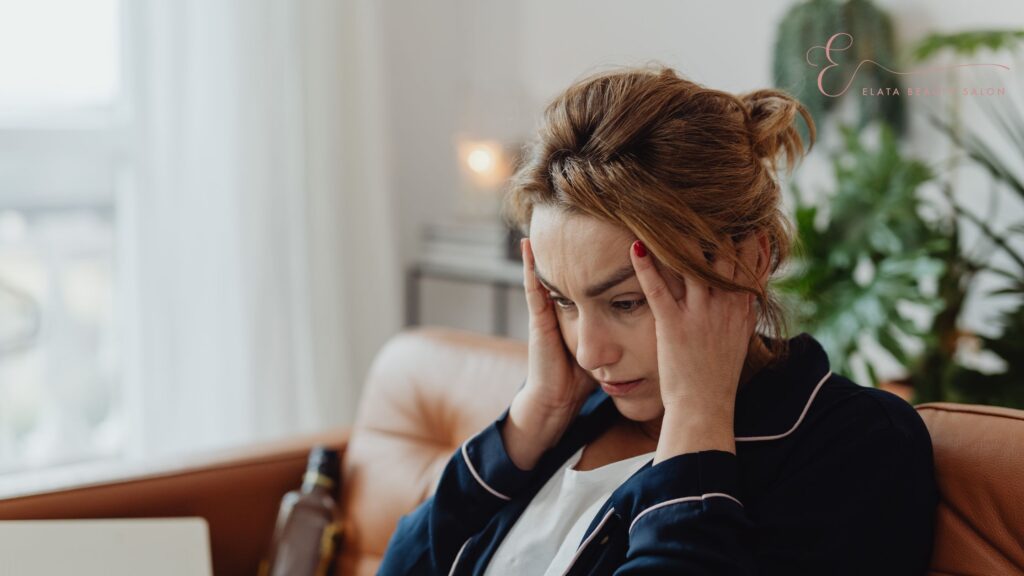
Stress has a way of announcing itself quietly. It does not always arrive as exhaustion or overwhelm. Often, it appears first on the face. A tired look that lingers despite rest. Skin that feels dull even with a careful routine. Fine lines that seem deeper after busy weeks. In Dubai, where life moves fast and expectations are high, many women carry stress long before they consciously recognise it.
A corporate professional balancing deadlines, a mother managing family schedules, or a woman navigating constant social commitments may feel emotionally composed, yet her skin tells another story. The face becomes a mirror for pressure, responsibility, and mental load. This is not about age or skincare mistakes. It is about how the body responds to sustained stress.
February, especially, is a revealing month. The initial energy of the year fades, routines intensify, and the body begins to show signs of cumulative strain. Understanding why stress appears on the face allows women to care for their skin with compassion rather than frustration.
Why stress affects skin so visibly in Dubai
Dubai’s lifestyle amplifies the connection between stress and skin. Long working hours, traffic, constant screen exposure, and frequent transitions between outdoor heat and indoor air conditioning place the nervous system under continuous pressure. The skin, as the body’s largest organ, responds directly.
When stress levels rise, the body releases cortisol. This hormone disrupts the skin barrier, increases inflammation, and slows cellular repair. In Dubai’s climate, where dehydration is already a concern, stressed skin loses moisture even faster. The result is skin that looks tired, reactive, and less resilient.
Unlike temporary stress, chronic low-grade stress often goes unnoticed. Yet the face reflects it through subtle changes that build over time.
The overlooked signs of stress on the face
Many women associate stress with breakouts, but its impact is broader and more nuanced. Stress can change how skin behaves entirely.
Common facial signs include:
- Persistent dullness despite exfoliation
- Fine lines appearing more pronounced
- Puffiness around the eyes and jaw
- Increased redness or sensitivity
- Tightness that returns quickly after moisturising
These are not product failures. They are biological responses. Stress reduces blood circulation to the skin while redirecting energy to vital organs. Over time, this affects glow, tone, and texture.
In February, when energy reserves are lower, these signs often become more noticeable.
A unique insight most women miss
Stress does not only affect the skin’s surface. It alters facial muscle behaviour. Many women hold tension unconsciously in the jaw, brow, and forehead. Over time, this creates habitual expressions that deepen lines and contribute to facial fatigue.
In high-pressure environments like Dubai, concentration and emotional restraint often lead to clenching and tightening without awareness. This is why even well-rested women can look tense. The face remembers stress patterns long after the moment has passed.
Addressing stress-related skin concerns therefore requires more than topical skincare. It requires releasing tension and restoring circulation.
How professional treatments support stressed skin
At Elata, stress-related skin concerns are approached holistically. The focus is not only on hydration or glow, but on calming the nervous system and improving facial circulation.
Facials designed for stressed skin work by encouraging lymphatic drainage, increasing oxygen flow, and supporting the skin barrier. Women exploring our facial services during high-pressure periods often notice that their skin responds more positively once tension is addressed.
Massage-based facials, oxygen treatments, and hydration therapies help the face relax physically while restoring balance at a cellular level. This is particularly beneficial for women experiencing emotional or mental fatigue, even when skin issues appear mild.
Stress, sleep, and the face
One of the strongest links between stress and facial appearance is sleep quality. Stress disrupts deep sleep cycles, which are essential for skin repair. In Dubai, where late nights and early mornings are common, this effect is magnified.
Poor sleep reduces collagen production and slows healing. Under-eye darkness becomes more visible, and the skin loses its natural plumpness. February is often when this cumulative sleep debt begins to show.
Supporting sleep through relaxation rituals, reduced screen exposure, and calming treatments can significantly improve how the face looks and feels.
Gentle habits that reduce facial stress
Daily habits play a quiet but powerful role in how stress manifests on the face. Small changes create noticeable relief over time.
Helpful practices include:
- Slowing down skincare application to include light massage
- Releasing jaw tension consciously during the day
- Taking short screen breaks to relax facial muscles
- Using nourishing textures rather than active-heavy routines
- Prioritising evening wind-down time, even briefly
These habits do not replace professional care, but they prevent stress from becoming etched into facial features.
The role of massage in stress-related skin care
Massage is one of the most effective ways to interrupt the stress-skin cycle. Facial and body massage reduce cortisol while increasing circulation and lymphatic flow. This allows nutrients and oxygen to reach the skin more efficiently.
Women who combine skincare with massage and wellness treatments often notice improvements not only in skin tone, but in facial softness and expression. The face appears calmer, more open, and more rested.
Massage is particularly supportive in February, when stress is present but not yet acknowledged.
An expert observation worth noting
Studies in psychodermatology show that chronic stress can slow skin regeneration by up to 40 percent. This means stressed skin literally renews itself more slowly. Treatments and products become less effective until stress is addressed.
This explains why many women feel stuck in cycles of trying new skincare without results. The solution is not more correction, but more calming.
Choosing care that respects your pace
February is not about dramatic transformation. It is about supporting the face before deeper fatigue sets in. Many women choose to book treatments during this quieter window through our salon location and booking page, valuing the calm atmosphere and personalised attention.
This is a time for restorative care that fits into real lives, not adds pressure to them.
A gentle closing thought
Stress does not make skin weak. It makes skin communicate. The face reflects everything the body carries quietly. In Dubai’s demanding rhythm, listening to these signals is an act of self-respect.
Caring for stress-affected skin is not about fixing flaws. It is about restoring ease, softness, and balance. When tension is released, the face often returns to its natural clarity. At Elata, this understanding shapes every treatment, allowing beauty to feel supportive, grounded, and deeply human.