Ramadan changes the rhythm of everything. Sleep shifts. Meals move to later hours. Water intake becomes intentional and timed. In Dubai, where the climate already leans toward dryness and constant air conditioning, these changes subtly influence the skin.
Many women notice that during the first week of fasting, their complexion feels slightly different. Not dramatically worse, just more sensitive. Tightness appears earlier in the day. Makeup settles more quickly. Skin may look a little tired under bright office lighting or during evening gatherings.
This is not the time for aggressive correction. Ramadan is a month of internal recalibration, and the skin reflects that process. Gentle facials become more important than ever because they support the skin rather than challenge it.
Why skin behaves differently while fasting in Dubai
When fasting, hydration patterns shift. Although the body adapts beautifully, skin temporarily receives less consistent moisture support during daylight hours. In Dubai’s dry, air-conditioned environments, this effect is amplified.
At the same time, sleep schedules often change. Later nights and earlier mornings can affect collagen repair and cell turnover. Combined with reduced caffeine and altered meal timing, skin may appear more reactive or dull.
During Ramadan, the skin barrier becomes the priority. Strong exfoliation, intense peels, or aggressive resurfacing can compromise this barrier when it needs protection most.
Gentle facials help maintain stability rather than forcing rapid change.
The unique stress-skin connection during Ramadan
Ramadan is spiritually grounding, yet physically demanding in subtle ways. Even when energy feels calm, the body is adjusting internally. Stress hormones can fluctuate during routine changes, influencing oil production and sensitivity.
This is why some women experience minor breakouts or redness during fasting, even if their skin is normally balanced. The solution is not harsher treatment. It is soothing care that calms inflammation and improves circulation without irritation.
Gentle facials address this delicate balance beautifully.
What defines a gentle facial
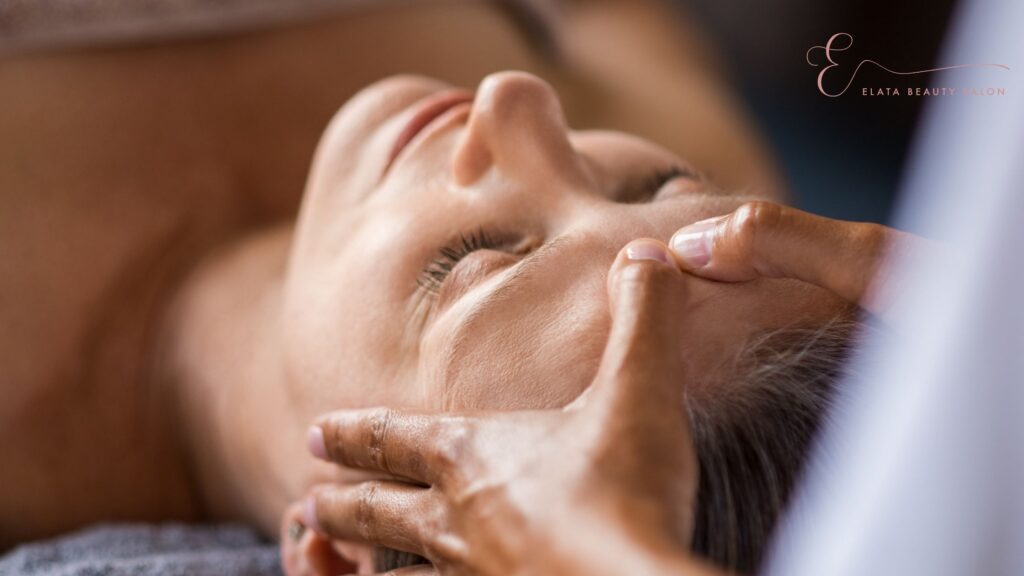
A gentle facial does not mean ineffective. It means intentional. The focus shifts from deep resurfacing to hydration, oxygenation, and lymphatic support.
Key characteristics include:
- Mild, non-abrasive exfoliation
- Hydrating serums rich in hyaluronic acid
- Barrier-supportive ingredients such as ceramides
- Lymphatic massage to reduce puffiness
- Oxygen infusion to revive dullness
These elements refresh the complexion without triggering sensitivity.
Women exploring Elata’s facial services during Ramadan often choose treatments centred around hydration and calm rather than intensive correction.
Why aggressive treatments can backfire during fasting
Chemical peels, strong acids, and heavy resurfacing treatments increase transepidermal water loss temporarily. When hydration windows are limited during the day, recovery can feel slower.
In Dubai’s climate, even mild environmental exposure can intensify post-treatment dryness. This may lead to prolonged flaking or irritation, especially if sleep patterns are disrupted.
Ramadan is not about pushing the skin. It is about preserving it.
Scheduling stronger corrective treatments before or after the holy month allows the skin to recover more efficiently.
Gentle facials and lymphatic circulation
One of the most overlooked benefits of gentle facials is lymphatic drainage. During fasting, mild fluid retention or puffiness can occur due to changes in salt intake and sleep timing.
Soft massage techniques stimulate lymphatic flow, reducing facial swelling and improving definition without harsh intervention. This creates a rested appearance, particularly around the eyes and jawline.
The result is subtle but powerful. The face looks calmer and more refreshed, even if energy levels fluctuate.
Oxygen and hydration: the Ramadan essentials
Oxygen-based treatments are especially beneficial during Ramadan. They increase circulation and brighten the complexion without compromising the barrier.
Hydrating facials replenish moisture levels deeply, helping the skin retain water longer throughout the fasting hours. When paired with barrier-supportive products at home, results feel sustained rather than temporary.
This approach aligns with Ramadan’s theme of balance and moderation.
Timing your facial during Ramadan
Energy levels vary from woman to woman. Many prefer scheduling treatments closer to Iftar, when hydration is about to resume. Others choose evenings, when the body feels restored.
Booking thoughtfully through Elata’s location and appointment page allows flexibility to align treatments with your energy rhythm.
The goal is for the facial to feel nurturing, not exhausting.
At-home care to complement gentle treatments
Professional facials work best when supported by simplified home routines during Ramadan.
Focus on:
- Gentle cleansing without stripping
- Hydrating serums layered under moisturiser
- Barrier-repair creams at night
- Consistent SPF use during the day
- Avoiding over-exfoliation
Keeping routines minimal prevents overwhelming the skin while it adjusts internally.
A dermatological insight worth noting
Research shows that temporary dehydration can increase skin sensitivity and slow barrier recovery. However, when hydration and lipid levels are supported consistently, skin remains resilient even during routine shifts.
This is why gentle facials often deliver better results than aggressive treatments during Ramadan. They strengthen rather than stress the skin.
A calm closing thought
Ramadan is a month of intentional living. Your skincare should reflect that same philosophy. Gentle facials honour your body’s natural rhythm, offering support without disruption.
In Dubai’s demanding climate, preserving hydration and calm becomes more valuable than chasing dramatic transformation. At Elata, Ramadan treatments are designed to respect both your skin and your spiritual focus, ensuring you feel refreshed, balanced, and quietly radiant throughout the holy month.